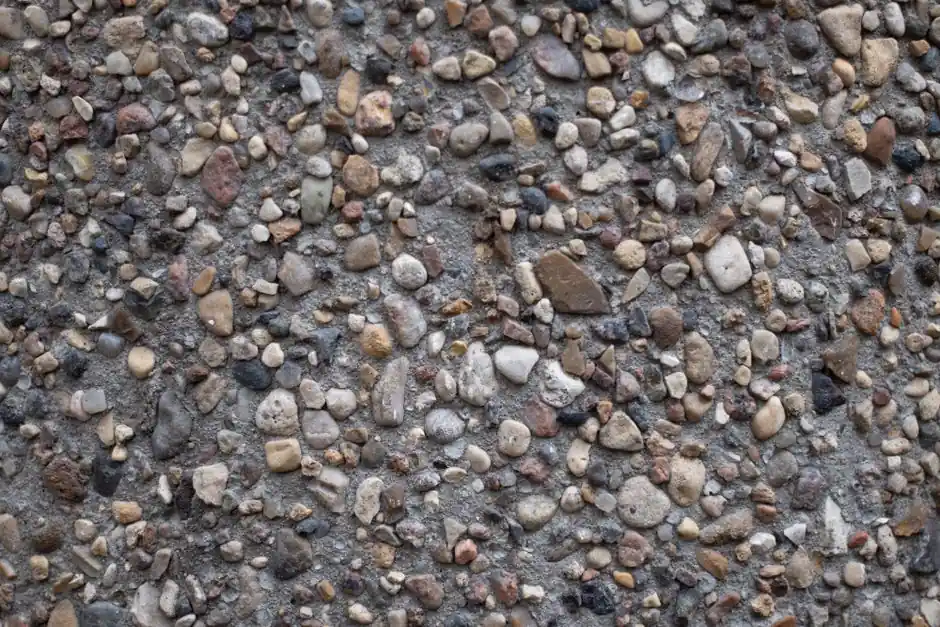
Slip-resistant, salt-air tough, and built for coastal properties
Exposed Aggregate Concrete in La Jolla, California
Exposed aggregate concrete in La Jolla, California gives you a textured, slip-resistant surface that handles ocean moisture, morning fog, and heavy foot traffic without turning slick. We pour patios, driveways, walkways, and pool decks for homeowners from La Jolla Shores to Mount Soledad. If you want a surface that looks custom and holds up to coastal weather, this is the finish to choose.
Live phone supportUpfront optionsBacked workmanship
What's included
What Our Exposed Aggregate Service Includes
Every exposed aggregate pour we quote covers the full scope from demolition to final seal, so you are not chasing separate contractors for base prep or hauling. Here is what is included in a standard residential job, and what we quote separately if your property needs it.
Demolition and Haul-Off
We cut out and remove existing concrete with a concrete saw and skid-steer, then haul it off-site. That includes breaking out the old slab, loading it, and disposing of it at a permitted facility. If there is rebar or wire mesh in the old pour, we cut it out with a rebar cutter.
Base Prep and Compaction
We excavate to the right depth, compact the subgrade, and set formwork to finished grade. Rebar or wire mesh goes in on chairs so it sits mid-slab. Proper base prep is what keeps the slab from settling and cracking, and we do not skip it.
Concrete Placement and Finish
We place the concrete, screed it to grade, and finish it with a bull float and power trowel where needed. Then we apply the retarder, wait for the set, and wash the surface to expose the aggregate. The wash step is done by hand and we stay on site until it is even.
Control Joints and Expansion Joints
We cut control joints with a concrete saw on a set layout so movement happens where you cannot see it. Expansion joints go in at the perimeter and where the slab meets the house or another pour. This is what prevents random cracking over the life of the surface.
Penetrating Sealer
After the slab cures, we apply a penetrating sealer that slows chloride intrusion from salt air and UV damage from the sun. The sealer does not fill in the texture, so traction stays. We give you a written reseal schedule, usually every two to three years.
Final Cleanup and Walkthrough
We clean the site, remove formwork, and walk the finished surface with you. We show you the joint layout, explain cure times for foot and vehicle traffic, and answer any questions. You get a written workmanship warranty on the installation.
Service overview
Exposed Aggregate Concrete in La Jolla, California
Exposed aggregate concrete in La Jolla, California is a poured-in-place concrete surface where the top layer of cement paste is washed away to reveal the aggregate stone underneath. We mix portland cement, sand, gravel, and admixtures, pour the slab over compacted base and rebar or wire mesh, then retard the surface and wash it at the right hour so the stones show through cleanly. The result is a textured, durable finish that hides tire marks, resists scaling, and gives every patio or driveway its own natural color pattern.
Coastal La Jolla properties deal with salt air, marine layer moisture, and sun that bakes west-facing slabs by early afternoon. Plain broom-finished concrete can turn slick when fog settles, and it shows every crack and stain. Exposed aggregate finishes in La Jolla, California hold traction when wet, hide surface imperfections, and stand up to the freeze-thaw swings we get on clear winter nights. If you have been searching for exposed aggregate concrete near me in La Jolla, we pour these surfaces year-round across the 92037 ZIP.
How we workWe verify the cause, compare realistic options, and confirm the repair before we leave.
The service timeline
How Our Exposed Aggregate Process Works
The process flexes to the condition, but these checkpoints keep decisions clear.
Site Visit and Measure
We walk the property, measure the pour area, check slope and drainage, and look at how water moves now. You get a written scope and a fixed price, usually the same day you call. We flag anything that changes the number, like a sinking slab that needs removal or a root that has to come out.
Demolition and Base Prep
Old concrete comes out with a concrete saw and a skid-steer, and we haul it off. We excavate to depth, compact the subgrade, and set formwork to the finished grade. Rebar or wire mesh goes in on chairs so it sits mid-slab, not on the dirt where it does nothing.
Pour and Screed
We bring a concrete mixer or a ready-mix truck, place the concrete, and pull it to grade with a screed and bull float. A vibrator knocks out air pockets around rebar and edges. On larger patios we run two or three finishers so the surface stays workable from start to finish.
Retard and Wash
We spray a retarding admixture over the fresh surface, then wait for the concrete to set enough to hold the stone. When the timing is right, we wash the top paste off with a hose and stiff broom, exposing the aggregate evenly. This is the step that makes or breaks the finish, and it is why we stay on site until it is done.
Seal, Cure, and Walkthrough
After the slab cures, we cut control joints with a concrete saw, apply a penetrating sealer, and clean the site. We walk the finished surface with you, show you the expansion joint layout, and explain how to keep it looking right. Most residential pours are ready for foot traffic in 24 to 48 hours and vehicles in about seven days.
Tools & methods
Tools and Methods We Use
Purpose-built equipment, used by trained technicians, so the job is done accurately the first time.
Concrete mixer and ready-mix truck
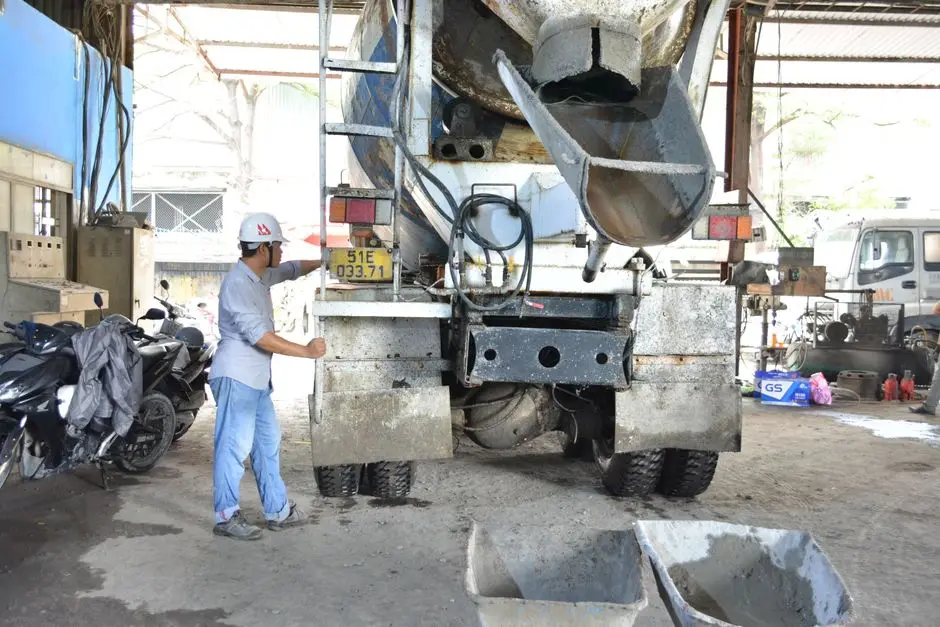
We bring a mixer for smaller pours and order ready-mix for larger slabs so the concrete stays consistent from start to finish. Consistent mix means consistent wash results.
Concrete saw
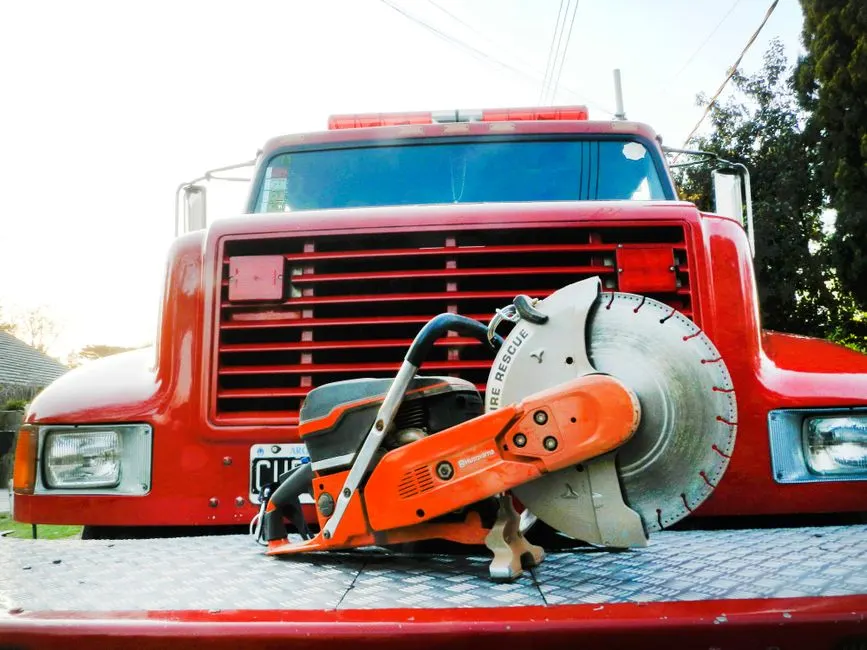
We use a concrete saw to cut control joints on a set layout and to cut out existing slabs during demolition. Clean joints are what keep random cracking from forming.
Bull float and power trowel
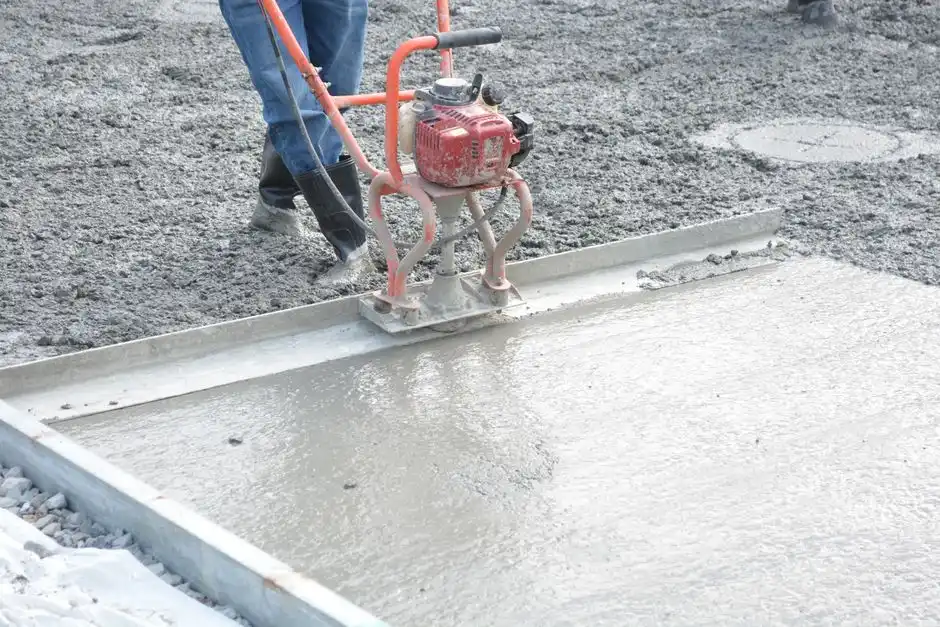
A bull float levels the fresh concrete after screeding, and a power trowel finishes the surface where the spec calls for it. Both steps happen before the retarder goes on.
Screed and vibrator
We pull the concrete to grade with a screed and run a vibrator to knock out air pockets around rebar and edges. Air pockets are a common cause of surface defects.
Rebar cutter and wheelbarrow
A rebar cutter handles old mesh and bar during demolition, and wheelbarrows move concrete into tight spots where a truck cannot reach. Both are standard on every residential job.
Edger and groover
An edger rounds the slab edge for a clean finish, and a groover cuts control joints in smaller pours. Both are hand tools we use on every exposed aggregate job.
Use cases
When to Use Exposed Aggregate Concrete
These examples show how the service framework adapts rather than forcing every call through one repair.
Spalling Driveway Replaced in Bird Rock
A 700-square-foot driveway had spalling across the middle section and a crack running the full width. Salt air and age had taken the top layer off, and the surface looked decades older than the house. Water pooled at the street apron after rain. → We cut out the failed slab, re-compacted the base, and poured a new exposed aggregate driveway with a gray aggregate blend. We cut control joints on a layout that follows the slope and set the apron so water runs to the street. The driveway was ready for vehicles in seven days.
Trip-Hazard Walkway Fixed in Mount Soledad
A 180-square-foot walkway had a lifted slab at the front step and a crack wider than a quarter inch near the street. The homeowner's parents had started using the side gate to avoid the trip hazard. The base under the lifted section had settled. → We ground down the small lip, replaced the cracked section with exposed aggregate to match the existing surface, and re-set the base under the lifted slab. We also adjusted drainage so water runs off the walkway instead of under it. The repair was done in one day.
Problems we solve
Exposed Aggregate Problems We Solve in La Jolla
Most of the exposed aggregate work we do in La Jolla starts with a problem: a slick patio, a spalling driveway, a cracked walkway, or a slab that has settled. Here is what we see most often and how we fix it.
Slick plain concrete patio near a pool or spa
We remove the old slab and pour exposed aggregate with a texture depth that grips when wet. We also set the slope so water runs away from the pool deck instead of pooling on it. Most patio replacements take three to four days.
Driveway spalling and scaling from salt air
We cut out the failed sections or replace the full pour with a new exposed aggregate driveway. We use a mix with admixtures from Sika or BASF and seal it after cure. A sealed driveway in La Jolla typically holds up 20 to 25 years.
Cracked or uneven walkway with trip hazards
We grind down small lips, replace sections that have cracked through, and re-pour with exposed aggregate to match the existing surface. We also check the base and fix drainage so the new section does not settle. Most walkway repairs finish in one day.
Efflorescence and white staining on existing concrete
We clean the surface, address the moisture path, and seal it with a penetrating sealer that slows water movement. If the slab is too far gone, we re-pour with exposed aggregate and seal it after cure. Sealing every two to three years keeps it from returning.
Pricing process
Exposed Aggregate Concrete Pricing
$12 - $22 per square foot installed, depending on scope
Square footage
Larger pours cost less per square foot because setup and mobilization spread across more area. A 200-square-foot walkway runs a higher per-foot rate than a 1,000-square-foot driveway. We quote the full scope so you see the total, not just the rate.
Demolition and haul-off
If there is an existing slab to remove, we cut it out with a concrete saw, load it, and haul it off. That adds labor and disposal cost. A clean site with no demolition runs lower than one with a 700-square-foot driveway to break out.
Base prep and drainage
Sloped lots and canyon-edge properties in Mount Soledad and La Jolla Heights often need extra excavation, compaction, or drainage work before the pour. That is real labor and it shows up in the price. We flag it during the site visit so there are no surprises.
Customer reviews
What La Jolla Homeowners Say
★★★★★
“We had a plain concrete patio that turned into a slip hazard every time the marine layer came in. La Jolla Concrete Services poured exposed aggregate and the difference is night and day. The texture grips even when wet, and the color blend looks like something out of a design magazine. They finished in three days and cleaned up everything.”
★★★★★
“Our driveway had spalling and a crack running the full width. They tore it out, re-poured with exposed aggregate, and set the control joints so the water runs to the street instead of pooling. Fixed price, no surprises, and they were done in four days. The surface still looks new after two winters.”
★★★★★
“We needed a walkway that would not be slick for our parents when they visit. The crew walked us through aggregate options, showed us sample boards, and poured a path that matches the house. They sealed it and gave us a maintenance schedule. Six months in, it still looks great and nobody has slipped.”
How much does exposed aggregate concrete cost in La Jolla California?
Most residential exposed aggregate jobs in La Jolla run $12 to $22 per square foot in 2026, installed. A 400-square-foot patio typically lands between $4,800 and $8,800. Cost moves with square footage, site access, demolition, base prep, and whether you add borders or a sealer upgrade. We give you a fixed written price after a site visit, so you know the number before we start.
How long does exposed aggregate concrete last in La Jolla?
A properly poured and sealed exposed aggregate slab lasts 25 to 30 years in La Jolla's coastal climate. The aggregate itself does not wear out; the sealer does, and resealing every two to three years keeps salt air and UV from reaching the cement paste. We cut control joints on a set layout so movement happens where you cannot see it, which is what keeps the surface intact long-term.
Is exposed aggregate concrete slippery in La Jolla California?
No. Exposed aggregate is one of the least slippery concrete finishes you can pour, because the stone profile gives bare feet and shoes something to grip even when the surface is wet. That is why we recommend it for pool decks and walkways in La Jolla Shores and Windansea Beach, where marine layer moisture settles overnight. A penetrating sealer does not fill in the texture, so traction stays.
Who does exposed aggregate concrete near me in La Jolla?
La Jolla Concrete Services pours exposed aggregate concrete across La Jolla and the surrounding 92037 neighborhoods, including La Jolla Shores, Bird Rock, Mount Soledad, and the Muirlands. We have been in business since 2015, we are licensed and insured in California, and we offer same-day estimates. Call +1 (619) 984-1234 and we will schedule a site visit.
Related services
Related Services
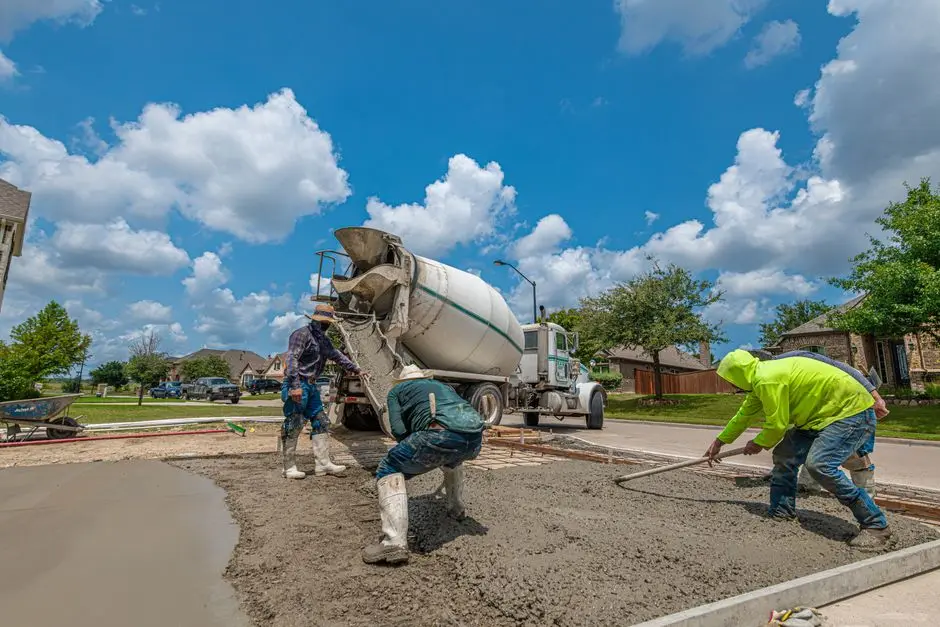
Concrete Driveway Installation
An exposed aggregate driveway in La Jolla gives you traction on the slope and hides tire marks better than plain concrete. We pour the slab, set the control joints, and seal it for coastal weather. Most driveway pours run 500 to 1,200 square feet.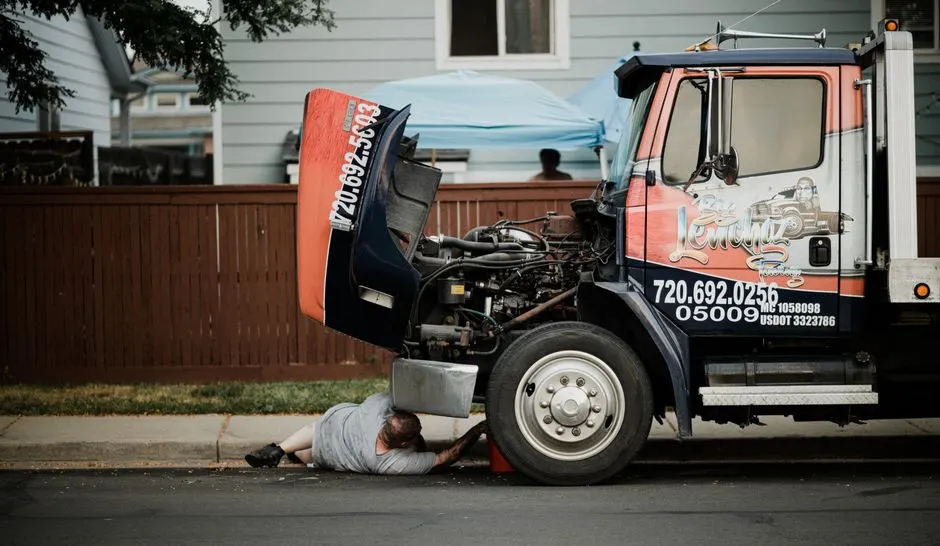
Concrete Driveway Repair
If your existing driveway has spalling, scaling, or a sinking slab, we can repair sections or replace the whole pour with exposed aggregate. We match the aggregate blend to your existing surface where possible. Most repairs are done in one day.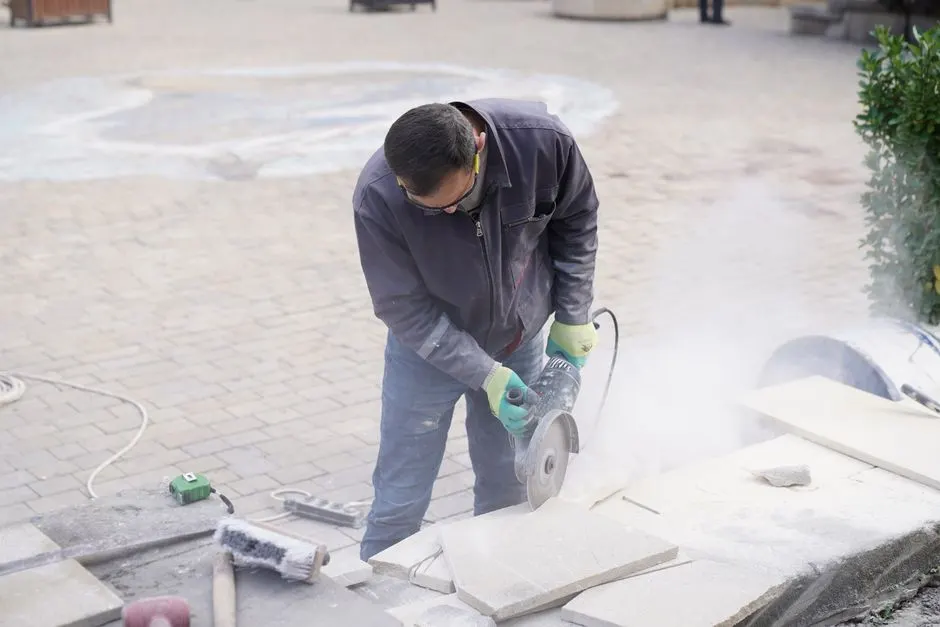
Concrete Patio Installation
An exposed aggregate patio in La Jolla California is the finish we pour most often for backyard projects. The texture stays cool underfoot and grips when wet, which matters near pools and spas. We handle grading, base prep, and sealer in one scope.Ready when you are
Get Your Exposed Aggregate Concrete in La Jolla, California
We give same-day estimates, fixed pricing, and a workmanship warranty on every exposed aggregate pour. If you want a patio, driveway, or walkway that grips when wet and holds up to salt air, call us at +1 (619) 984-1234. We will schedule a site visit and get you a written price.
Talk with the local team
Request Exposed Aggregate Concrete
Call us at (619) 984-1234 or email [email protected] and we will get you on the schedule. We answer the phone Monday through Friday from 8am to 6pm, and we return after-hours messages first thing the next morning. Same-day estimates are usually available if you reach us before noon. Tell us what the concrete is doing and we will tell you what it needs.